Water Treatment Components: Explained in Easy-to-Understand English
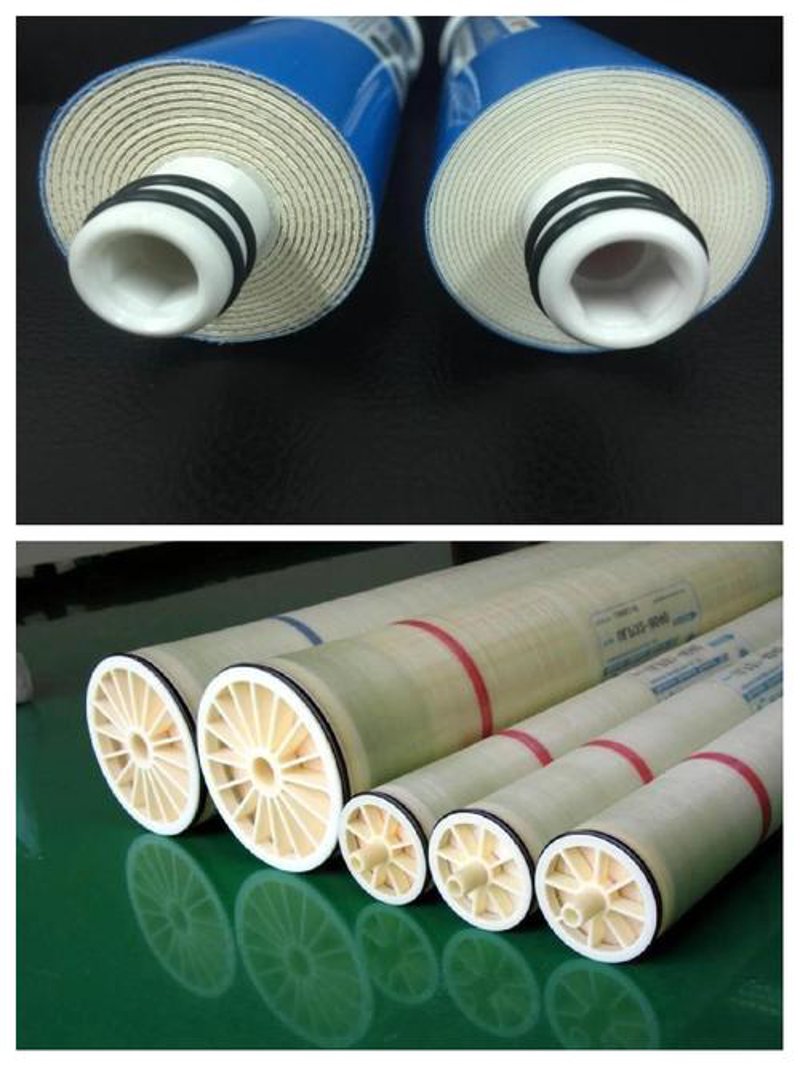
When discussing the intricacies of water treatment, one term that often comes up is "water treatment components." For those who are not well-versed in this field, it can be confusing. In today's article, we will explore what these components are and how to refer to them using simple English.
1. Filtration Systems
Filtration systems play a crucial role in water treatment by removing contaminants from the water. Common filtration components include:
- Granular Activated Carbon (GAC): Used to eliminate organic compounds and improve taste.
- Sediment Filters: Designed to remove large particles such as sand and silt.
- Multimedia Filters: Utilize a combination of media like garnet, anthracite, and sand to filter out various impurities.
2. Reverse Osmosis (RO) Membranes
Reverse osmosis membranes are essential for producing high-quality purified water. They remove up to 99% of contaminants including bacteria, viruses, and heavy metals.
3. Softening Systems
Water softeners use ion exchange resins to reduce the levels of calcium and magnesium in hard water, thus minimizing scale formation and corrosion.
Now that we have a clear understanding of these components, let's delve into their applications in various industries where water treatment is crucial. For instance, in the beverage industry, ensuring the purity of water used in production is paramount to maintain product quality.
In conclusion, mastering the language of water treatment components can significantly enhance your communication and comprehension within this field. By using simple English terms, you can effectively discuss these essential elements with colleagues or clients, leading to more efficient and effective solutions for water purification challenges.